

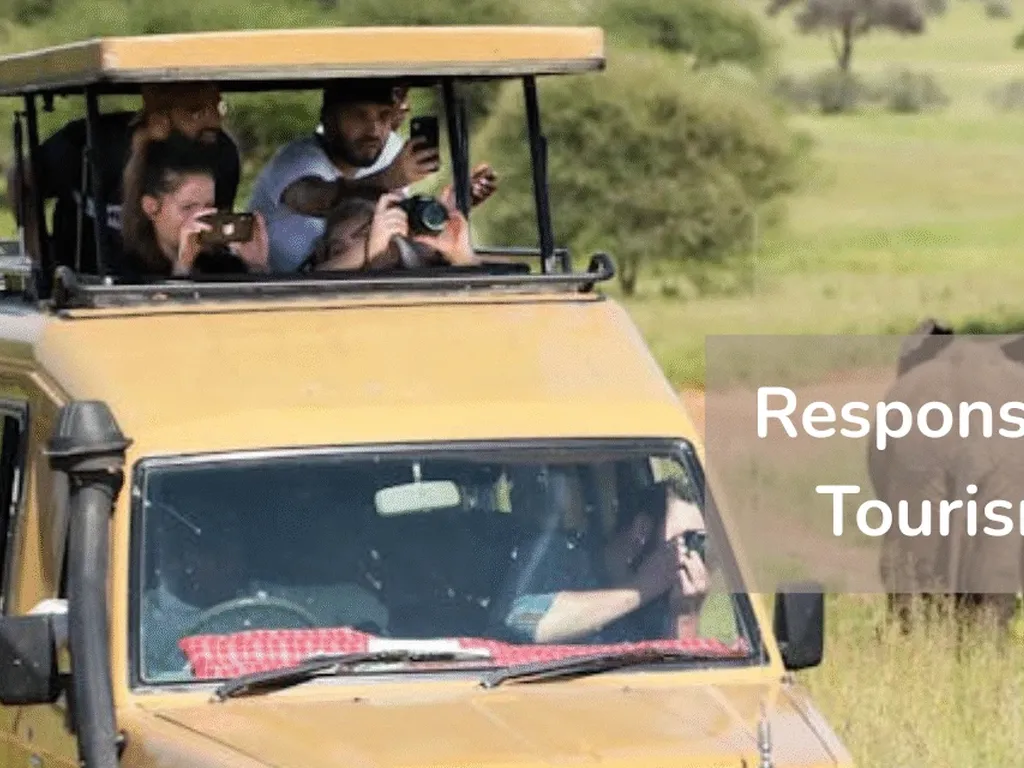
Ethical Wildlife Tourism in Kenya: Traveler Guidelines
Kenya, a country known for its incredible wildlife and breathtaking landscapes, is a dream destination for many travelers. As a responsible tourist, it's essential to ensure that your trip has a positive impact on the local environment, communities, and wildlife. In this article, we'll provide you with honest advice on responsible tourism in Kenya, helping you make informed decisions and create unforgettable memories while supporting conservation efforts.
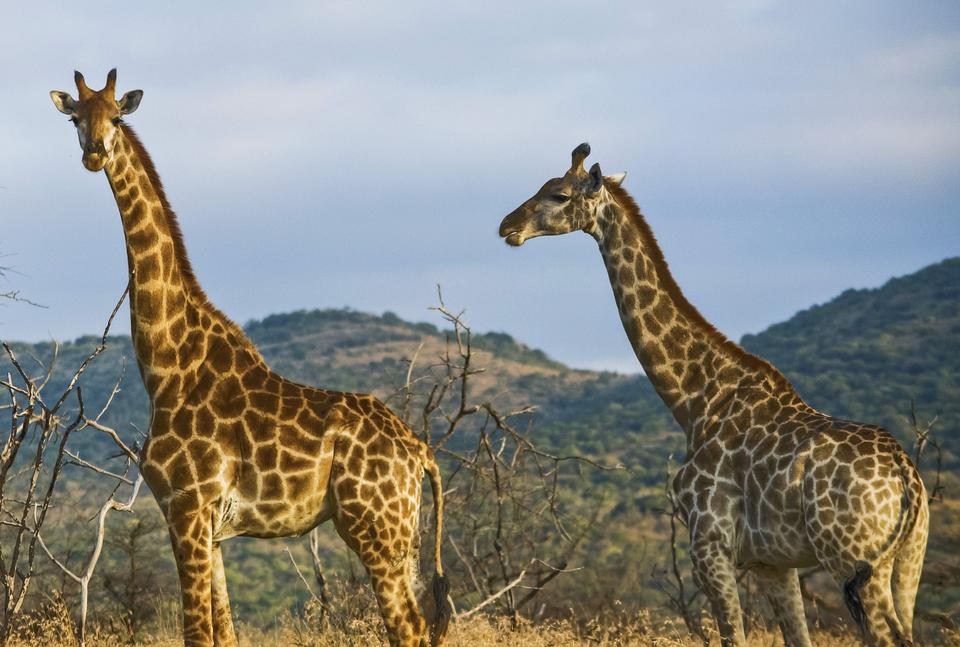
Source: G Adventures
When it comes to wildlife tourism in Kenya, it's crucial to prioritize ethical practices. This means avoiding attractions that involve animals unless they are verified to be humane by a reputable source. Posing for a photo with a cheetah may seem like an exciting experience, but it's essential to consider the welfare of the animal and the potential harm that such activities can cause. Instead, opt for responsible tourism operators that follow park rules and animal movement patterns, ensuring a safe and respectful experience for both you and the wildlife.
In Kenya and Tanzania, ethical game drives are designed to promote responsible tourism practices. These guided tours encourage quiet observation, allowing you to witness animals in their natural habitat without disrupting their behavior. Walking safaris and walking tours are also excellent ways to experience the beauty of Kenya's wildlife, while supporting conservation efforts and local communities.
Embarking on an ethical safari in Kenya is a great way to see animals in their wild habitat while promoting responsible tourism practices. Companies like G Adventures offer ethical safari experiences that support wildlife conservation and community development. By choosing a responsible tour operator, you'll not only have an unforgettable experience but also contribute to the protection of Kenya's incredible wildlife and ecosystems.
So, how do you ensure that your tour is both safe and ethical? Get involved and do your research! Look for tour operators that prioritize responsible tourism practices, such as following park rules and supporting local communities. You can also check for certifications like the Kenya Tourism Federation's "Responsible Tourism" certification, which recognizes tour operators that adhere to strict environmental and social standards.
Additionally, consider the following guidelines when planning your trip to Kenya:
- Choose tour operators that are transparent about their responsible tourism practices and conservation efforts.
- Support local communities by staying in eco-lodges or participating in community-based tourism initiatives.
- Respect wildlife and their habitats by keeping a safe distance and not littering or disrupting their natural behavior.
- Learn about Kenya's conservation efforts and support organizations that work to protect the country's incredible wildlife and ecosystems.
By following these guidelines and prioritizing responsible tourism practices, you'll not only have an unforgettable experience in Kenya but also contribute to the conservation of the country's incredible wildlife and ecosystems. Remember, responsible tourism is a collective effort, and every small action counts. So, get involved, make informed decisions, and join the movement towards a more sustainable and responsible tourism industry in Kenya.
For more information on responsible tourism in Kenya, you can visit the following resources:
In conclusion, ethical wildlife tourism in Kenya is a rewarding and enriching experience that allows you to connect with nature and support conservation efforts. By prioritizing responsible tourism practices and making informed decisions, you'll not only have an unforgettable experience but also contribute to the protection of Kenya's incredible wildlife and ecosystems. So, start planning your trip to Kenya today and join the movement towards a more sustainable and responsible tourism industry.



No comments yet.