

Understanding Tipping Culture Abroad for Kenyan Travelers
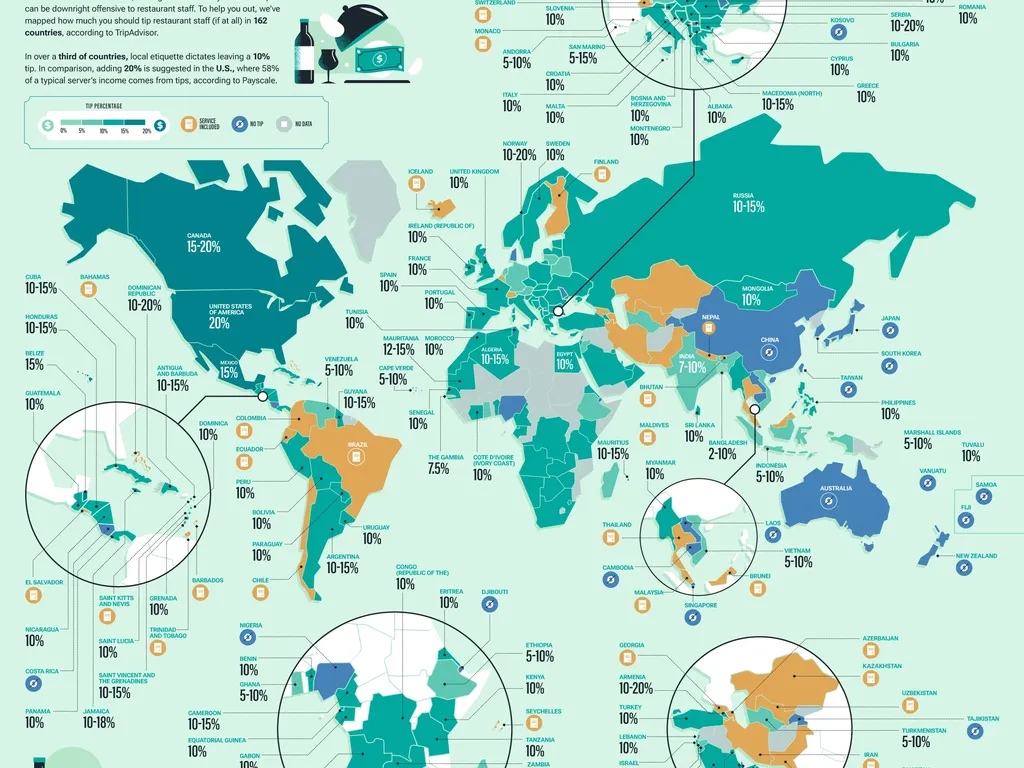
As a Kenyan traveler, you're likely no stranger to exploring new destinations and experiencing different cultures. However, one aspect of travel that can often be confusing is tipping. When traveling abroad, it's essential to understand the local tipping customs to avoid any unintended offense or discomfort. In this article, we'll delve into the world of tipping culture, focusing on what Kenyan travelers need to know when exploring foreign lands.
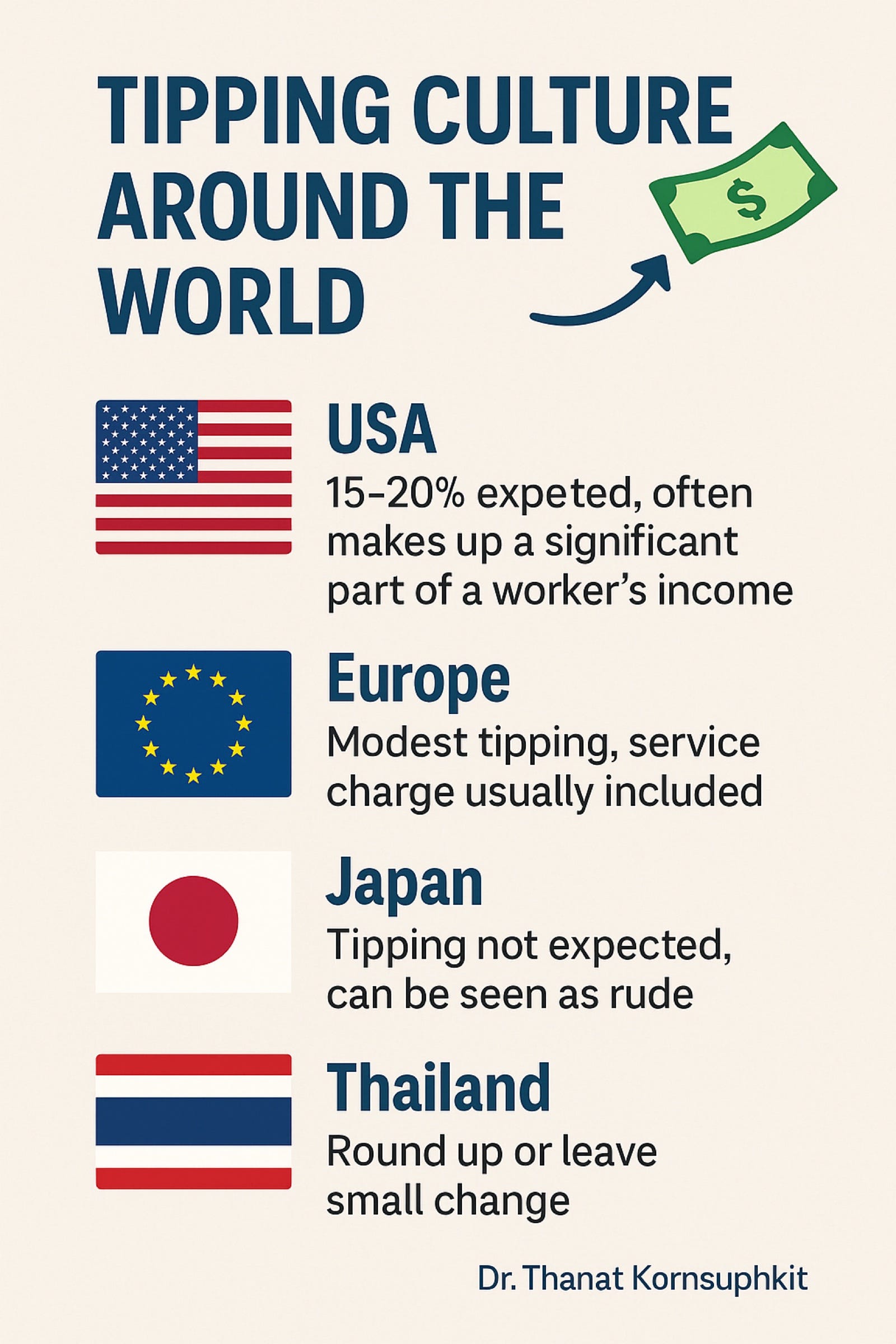
Tipping culture varies significantly from one country to another, and what may be considered polite in one place might be seen as rude in another. As a Kenyan traveler, it's crucial to research and understand the tipping customs of your destination to ensure a smooth and enjoyable trip. From restaurants and hotels to safari guides and tour operators, we'll explore the ins and outs of tipping culture abroad.
Source: Medium
In Kenya, tipping is not strictly mandatory, but it's widely accepted and appreciated as a gesture of gratitude for good service. For instance, when checking into a coast or city hotel, a tip of Ksh100 or Ksh200 is considered polite for the staff who assist you with your luggage. Similarly, in restaurants, a tip of 10-15% of the total bill is standard, while at casual spots, KES 50-100 is sufficient. For safari guides, a daily tip of US$10-20 is recommended.
It's essential to note that tipping in local currency is always preferred, as it makes it readily usable by the guides and staff, as well as their families. While it's not necessary to tip in local currency exclusively, it's considered more thoughtful and convenient for the recipients. According to Expert Africa, tipping in Kenya is a way to show appreciation for good service, and it's not about paying extra because you have to, but rather as a gesture of gratitude.
When traveling to other East African countries, the tipping culture is similar to Kenya's. In most countries, tipping is customary but not compulsory, and the amounts are similar to those in Kenya. For example, in Tanzania and Uganda, a tip of 10-15% in restaurants and bars is standard, while for safari guides, a daily tip of US$10-20 is recommended. It's always a good idea to research the specific tipping customs of your destination to ensure you're prepared and respectful of local traditions.
According to Tapestry of Africa, the key to tipping in Kenya and other East African countries is to be considerate and respectful of the local culture. Tipping is not just about showing appreciation for good service; it's also about being mindful of the local customs and traditions. By taking the time to research and understand the tipping culture of your destination, you can ensure a positive and enjoyable experience for both yourself and the people you interact with.
In addition to researching tipping customs, it's also essential to consider the local economy and the impact of your tipping. In many East African countries, tourism is a significant contributor to the local economy, and tipping can play a vital role in supporting local communities. By tipping fairly and generously, you can help make a positive impact on the local economy and support the people who are working hard to provide you with a memorable experience.
For Kenyan travelers, understanding the tipping culture abroad is not just about avoiding unintended offense or discomfort; it's also about being respectful of local customs and traditions. By taking the time to research and understand the tipping customs of your destination, you can ensure a positive and enjoyable experience for both yourself and the people you interact with. Whether you're traveling to a neighboring country or exploring a new continent, being mindful of tipping culture can make all the difference in creating a memorable and respectful travel experience.
In conclusion, tipping culture abroad can seem complex and confusing, but by researching and understanding the local customs and traditions, Kenyan travelers can ensure a smooth and enjoyable trip. From restaurants and hotels to safari guides and tour operators, tipping is a way to show appreciation for good service and support local communities. By being considerate and respectful of local tipping customs, Kenyan travelers can make a positive impact on the places they visit and create lasting memories of their travels.
As you prepare for your next adventure, remember that tipping culture is an essential aspect of travel etiquette. By understanding and respecting local customs, you can ensure a positive and enjoyable experience for both yourself and the people you interact with. Happy travels, and don't forget to tip your safari guide!
For more information on tipping culture in Kenya and other East African countries, you can visit Kip Travels or Experiya Tour Company. You can also check out TripAdvisor for more tips and advice from fellow travelers.


No comments yet.